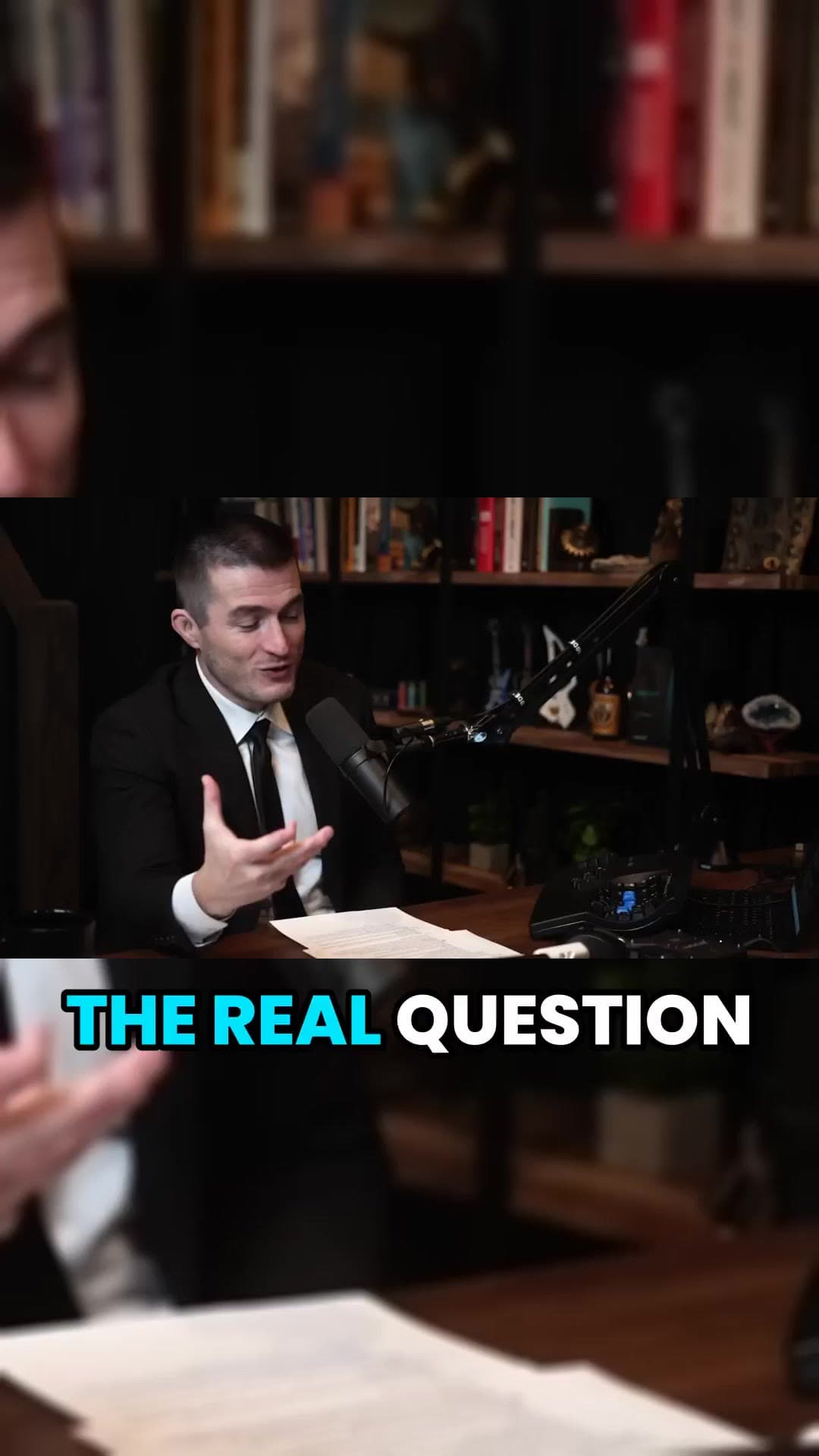
Clipping means cutting short clips from a creator's long videos and posting them on Shorts, TikTok and Reels. Many creators and brands now pay clippers for the views those clips get, usually through clipping programs that track views and pay per thousand.
It is real work with real income for people who post consistently — and it only works with permission. This guide covers where clipping jobs come from, how payouts work and how to produce enough clips to matter.
No card to sign upLook around the studioRuns in the browser
How it works
01
Join a program with clear rules
Pick a creator or campaign that explicitly allows clipping and states how views are counted and paid.
02
Clip at volume
Turn each new long video into several captioned vertical clips the same day it goes live.
03
Post, track, get paid
Post on the accounts you submit to the program, follow its credit rules and submit your links for payout.
What you get
Pay per views
Programs usually pay a fixed rate per 1,000 views, often with a cap per clip or per campaign.
Permission first
Only clip creators who invite it. Unpermitted clips get claimed, struck or demonetised.
Speed matters
The first clips of a new video get the most attention. Same-day posting is the edge.
Volume matters
Most clips get a few hundred views; income comes from the few that break out.
Captions are standard
Big, word-timed captions are expected — most viewers start muted.
Own accounts
Many clippers run niche accounts per creator so the audience stays consistent.
Where clipping jobs come from
Large streamers and podcasters run clipping programs, often on platforms such as Whop Content Rewards, where they post a budget and a rate per thousand views. Brands run similar campaigns for product content. Some creators hire a dedicated clipper on a monthly fee instead.
Read every program's rules: which platforms count, whether you must tag the creator, minimum views before payout and what is banned (reuploads of full videos, misleading titles, other creators' footage).
How much clippers make
Income depends on rate, views and volume, and it varies widely. A clipper posting a handful of clips a day across several accounts earns far more than one posting occasionally, because a small share of clips takes most of the views. Treat early weeks as practice for picking moments.
The workflow that scales
Manual editing caps you at a few clips a day. Clippers who scale use an AI clipper to do the first cut: paste the creator's new video, get ranked clips with captions and 9:16 framing, keep the best and post. ClipAtelier adds Most Replayed peaks, a range picker for multi-hour streams, split-screen backgrounds and, on Pro, Channel Feeds that watch the creator's channel and Autopilot that posts on a schedule.
Mistakes that kill payouts
Clipping creators who never gave permission, reposting other clippers' edits, clickbait titles that break program rules, and posting only once in a while. Keep a simple sheet of clips, views and submissions so you can see which moments and titles work.
Yes, when the creator or rights holder allows it. Clipping without permission can lead to copyright claims, strikes and lost payouts.
Do I need editing skills?
Basic judgement about moments matters more than editing. AI clippers handle cropping and captions; you choose what is worth posting.
Which platforms count?
It depends on the program. YouTube Shorts, TikTok and Instagram Reels are the most common.
How many clips should I post?
As many good ones as you can keep up daily. Consistency beats occasional bursts.
Can I clip any YouTube video?
Only clip videos you own or have permission to use, such as your own uploads, creators who allow clipping (for example clipping programs), or licensed content. You are responsible for the clips you post.
Your next Short is already inside your last video.
No card to look around. Clips start on a paid plan.