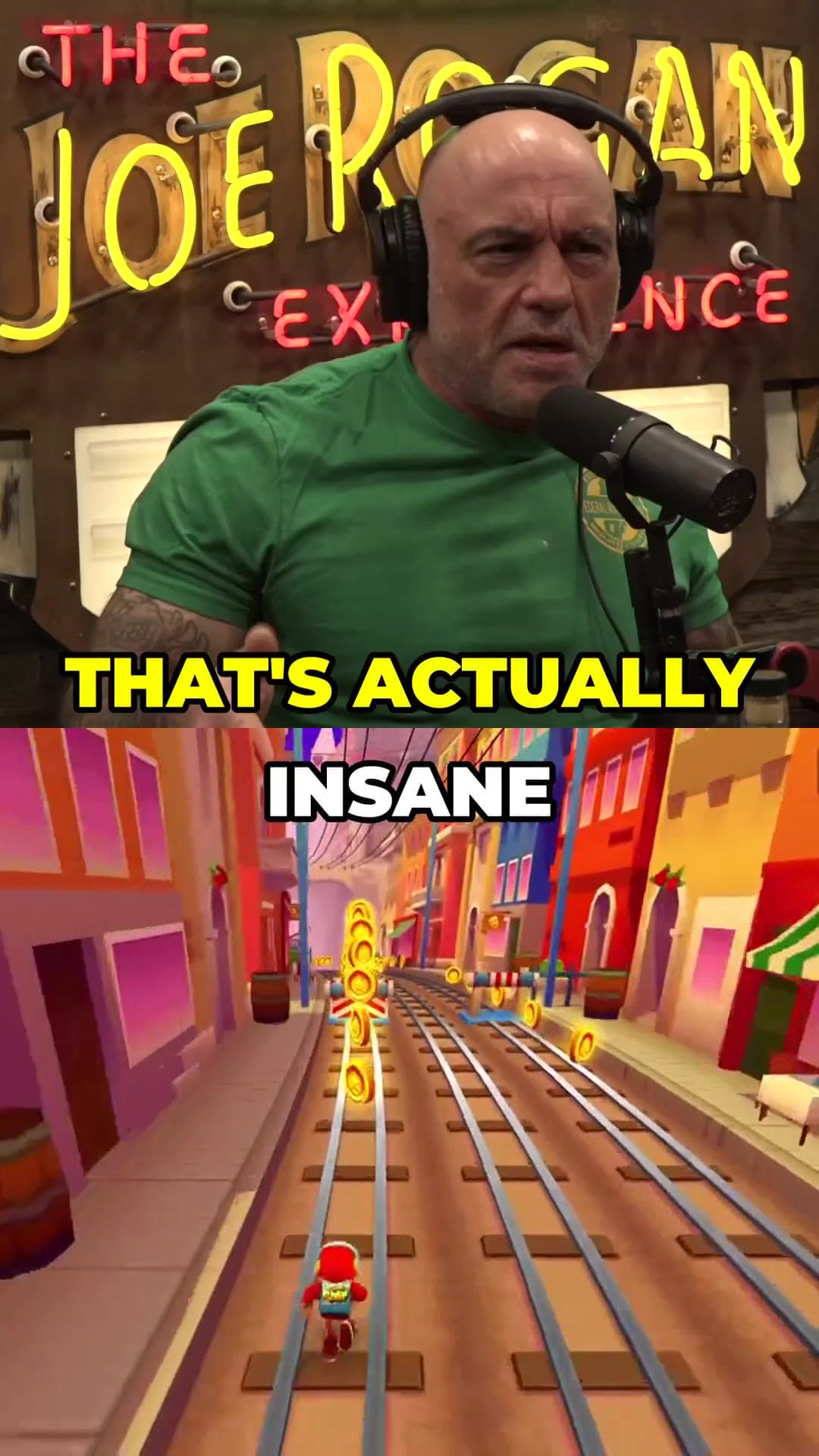
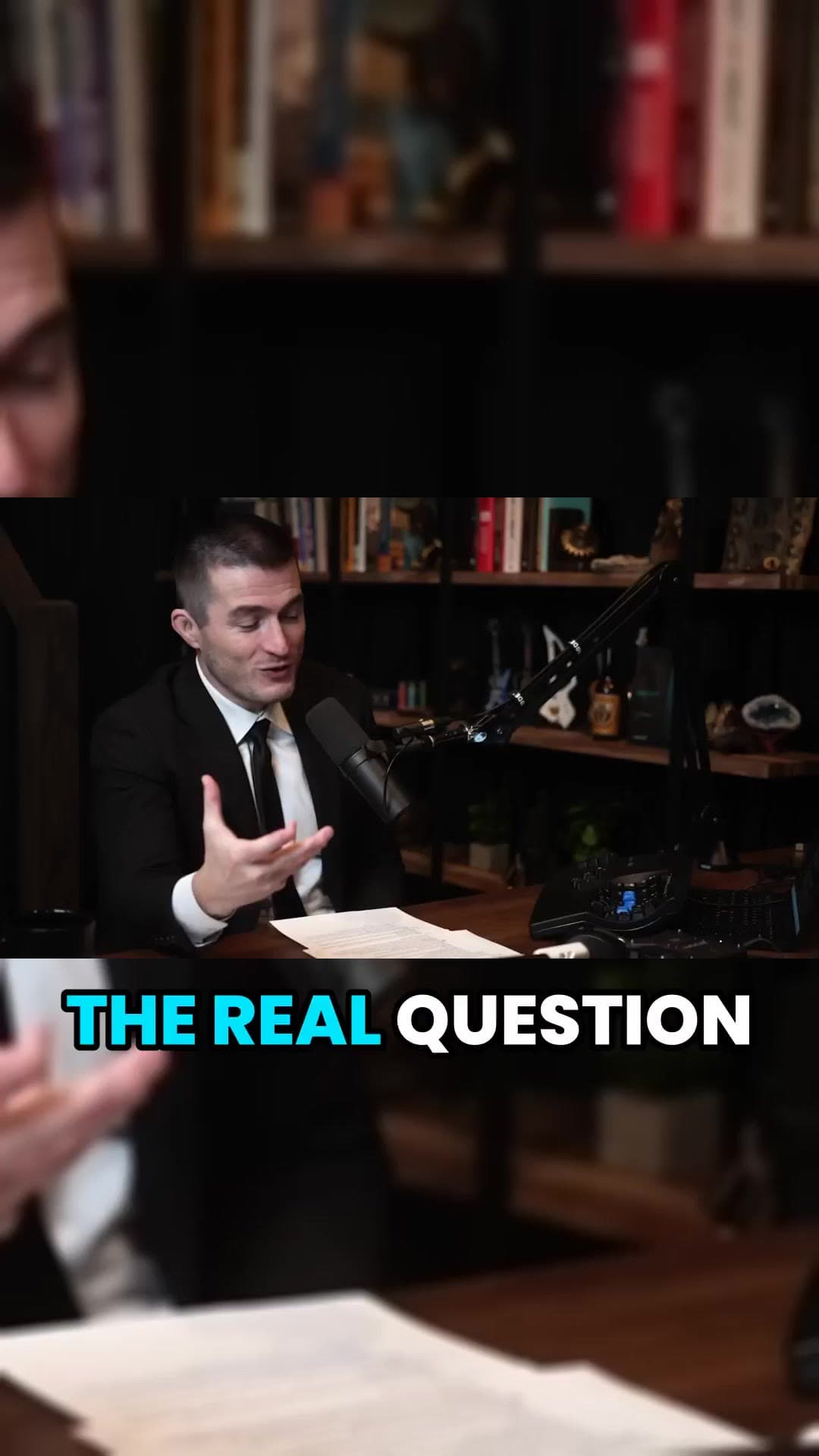
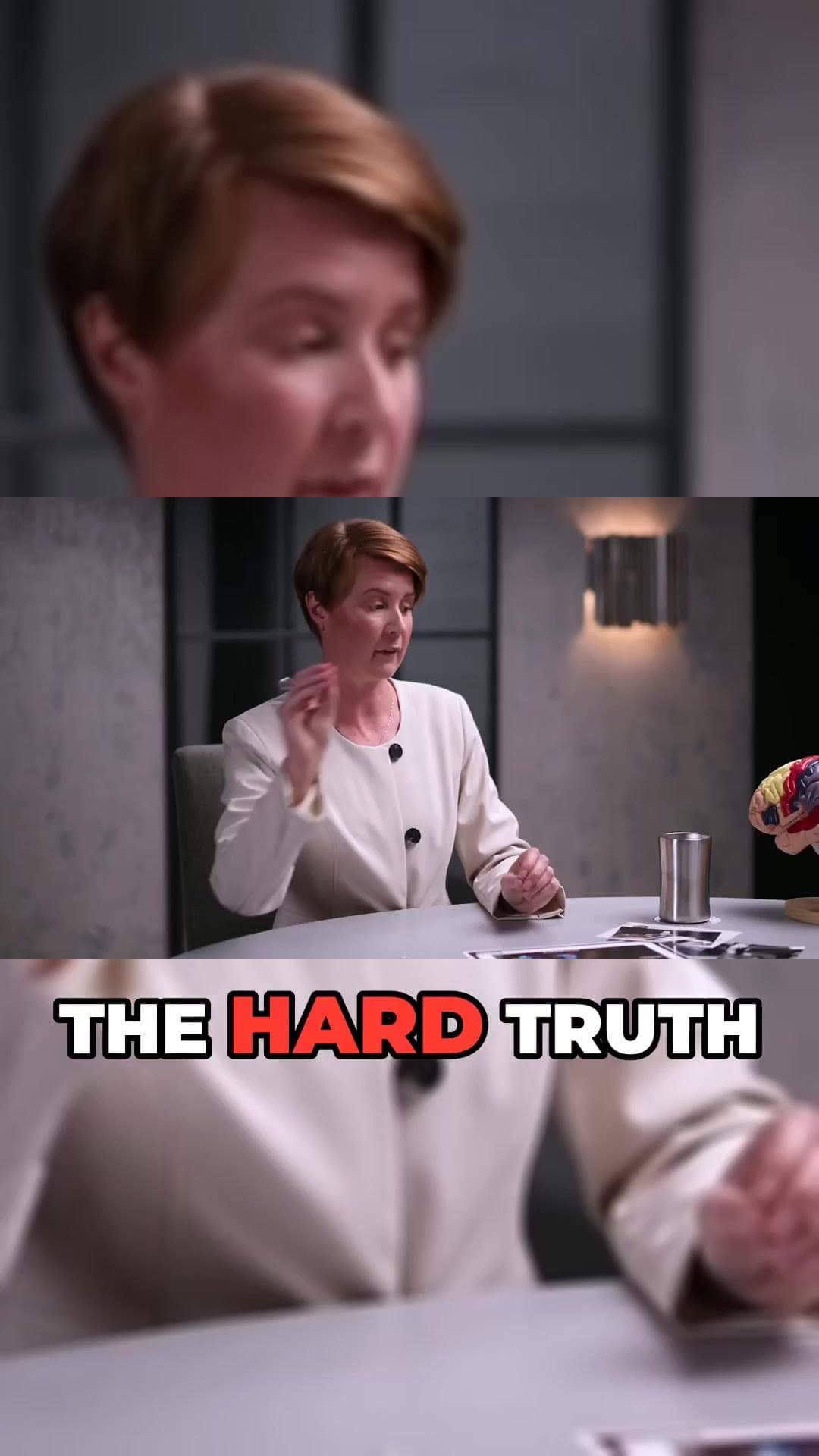
Turn a lecture into short clips that teach one thing each
A recorded lecture holds a dozen explanations that would each help someone on their own: a definition, a worked example, the answer to the question everyone asks. Inside a 50-minute recording nobody finds them. ClipAtelier cuts a lecture, class or course lesson into short clips with captions, one idea per clip.
Teachers use the clips as revision material and as a way for new students to find the course. Course creators use them as free previews that show how they teach. The source is the recording you already have, as a YouTube link or a file.
No card to sign upLook around the studioRuns in the browser
How it works
01
Add the recording
Paste the YouTube link of the lecture, or upload the MP4, MOV or MKV file on a paid plan. Recordings from Zoom, a lecture-capture system or a camera all work as files.
02
Let it find the explanations
The studio transcribes the lecture and ranks the passages that open clearly and finish a thought, then cuts them and burns in word-timed captions.
03
Review as the teacher
Keep the clips that are correct and complete on their own, fix any technical term in the captions, then download or schedule them.
What you get
One concept per clip
Cuts follow sentence boundaries, so an explanation is not chopped in the middle.
Vertical or original framing
Reframe to 9:16 around the speaker, or keep 16:9 when the board or slides must stay readable.
Captions for terms and names
Word-by-word captions help with vocabulary and are editable when a technical term is misheard.
Range picker
Clip one topic from a three-hour workshop without processing the whole recording.
Translated captions
Paid plans translate captions into 19 languages for international students.
AI titles
Each clip gets title options you can turn into the question the clip answers.
What makes a lecture clip useful
The best educational clips answer a question a student would type into a search box. 'What is opportunity cost?' 'Why does this integral need substitution?' A clip that states the question, answers it and stops is something people save and come back to before an exam.
Look for the moments where you slowed down and explained something a second way, because that is usually where the class understood. Avoid passages that point at earlier material with phrases like 'as we saw last week'. The clip has to work for someone who was not there.
Slides, whiteboards and the vertical frame
A vertical crop keeps about the middle third of a widescreen recording. That suits a lecturer talking to camera and fails when the content is on a slide at the edge of the frame. For clips where the board or screen carries the explanation, export in 16:9 so nothing is cut off. For clips where the explanation is spoken, vertical with captions is the stronger format on phones.
If you are planning future recordings with clips in mind, stand close to what you are pointing at and keep one idea on screen at a time. It helps the room as much as the clip.
Students, privacy and who owns the recording
Classroom recordings often include students' faces, voices and questions. Clip the parts where only the instructor appears, or get consent before a student's question becomes a public video. Many institutions also have rules about who may publish lecture recordings, so check yours before you post.
For paid courses, choose preview clips that teach something complete. A clip that only teases the lesson frustrates viewers, and one that solves a small problem shows what the full course is like.
What it costs per lecture
A 50-minute lecture costs 13 tokens to analyse, and each captioned clip adds two. Five clips is 23 tokens. Two lectures a week comes to about 185 tokens a month, a little over the Starter allowance, so a full teaching schedule fits the first Pro level, and one lecture a week fits Starter.
Yes, as long as there is speech to transcribe. For clips where the slide matters, keep the original 16:9 framing so the whole slide stays visible.
How long are the clips?
ClipAtelier cuts standalone moments of 15 to 60 seconds. If a lesson should be watched in full as a numbered series, use Equal split to cut it into consecutive parts instead.
Can it handle technical vocabulary?
Common terms are transcribed well. Specialist terms, formulas read aloud and names are worth checking in the preview, and you can correct the caption text before export.
Can I clip a lecture I attended?
Only with permission from whoever owns the recording, usually the lecturer or the institution. Attending a class does not give you the right to publish it.
Is it free?
You can create a free account with no card and look around the studio. Creating clips is on a paid plan, and you can try it for 3 days for $1. Exports have no watermark.
Your next Short is already inside your last video.
No card to look around. Clips start on a paid plan.