YouTube Shorts hooks: how to open a clip so people stay
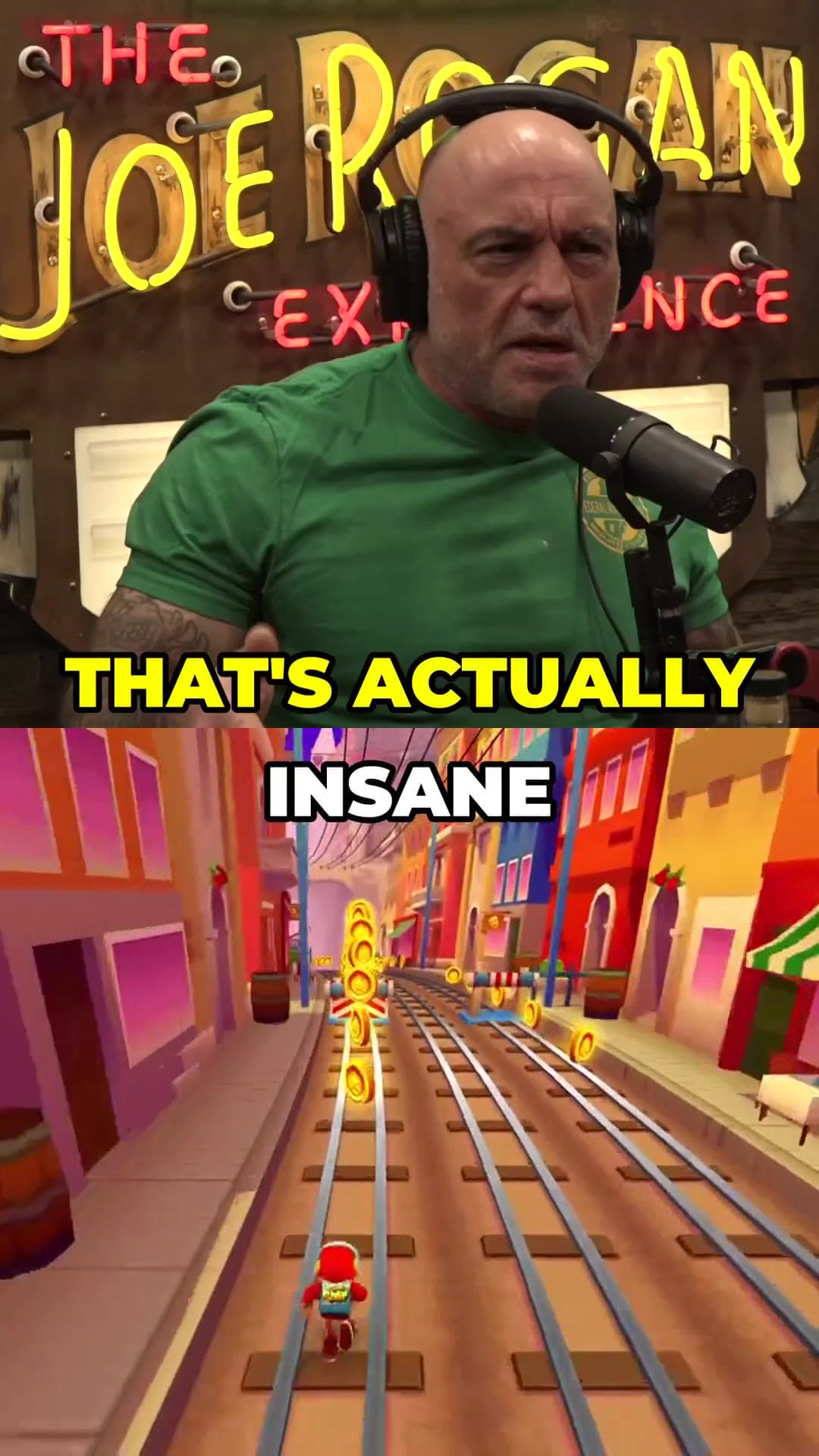
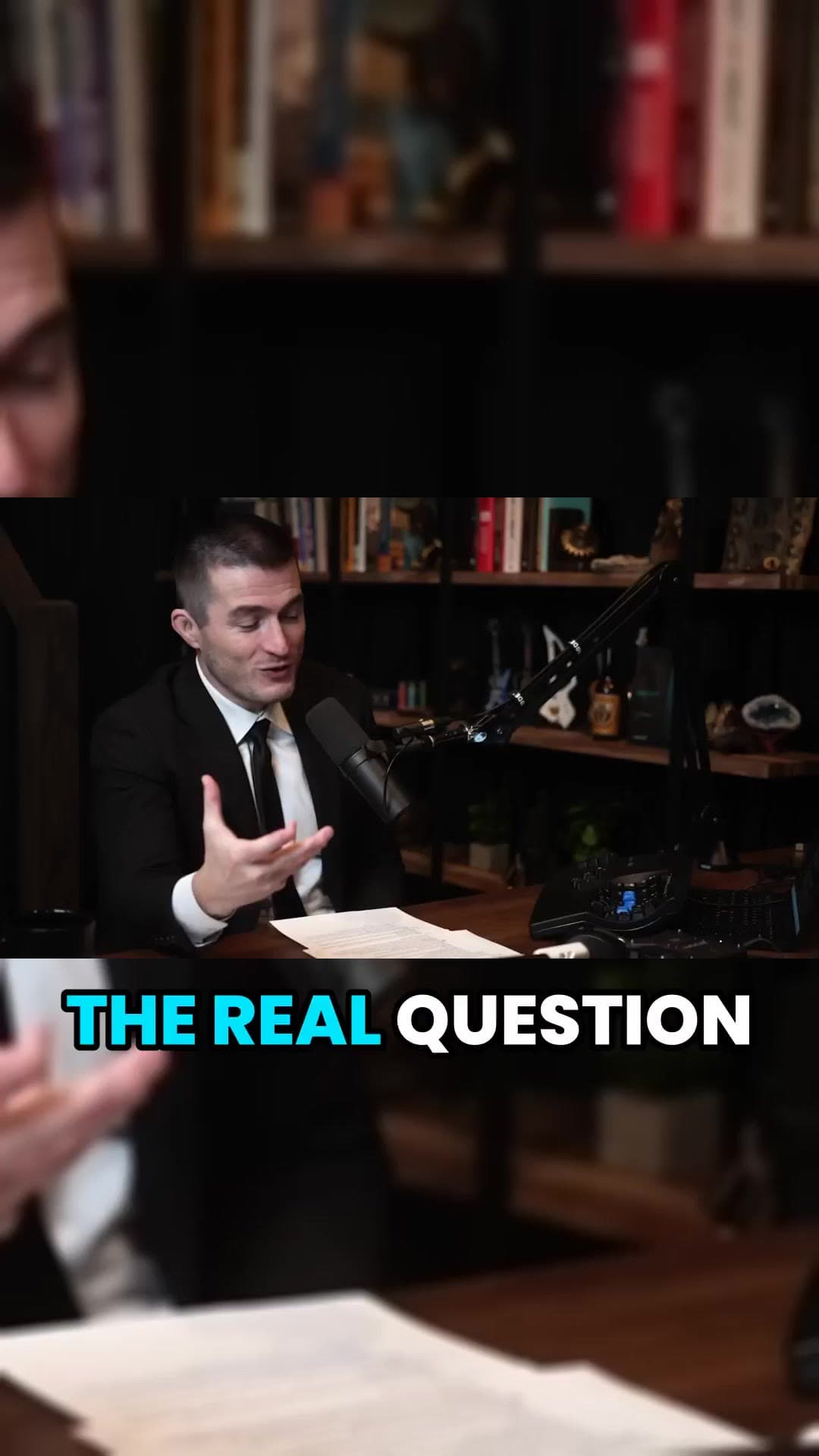
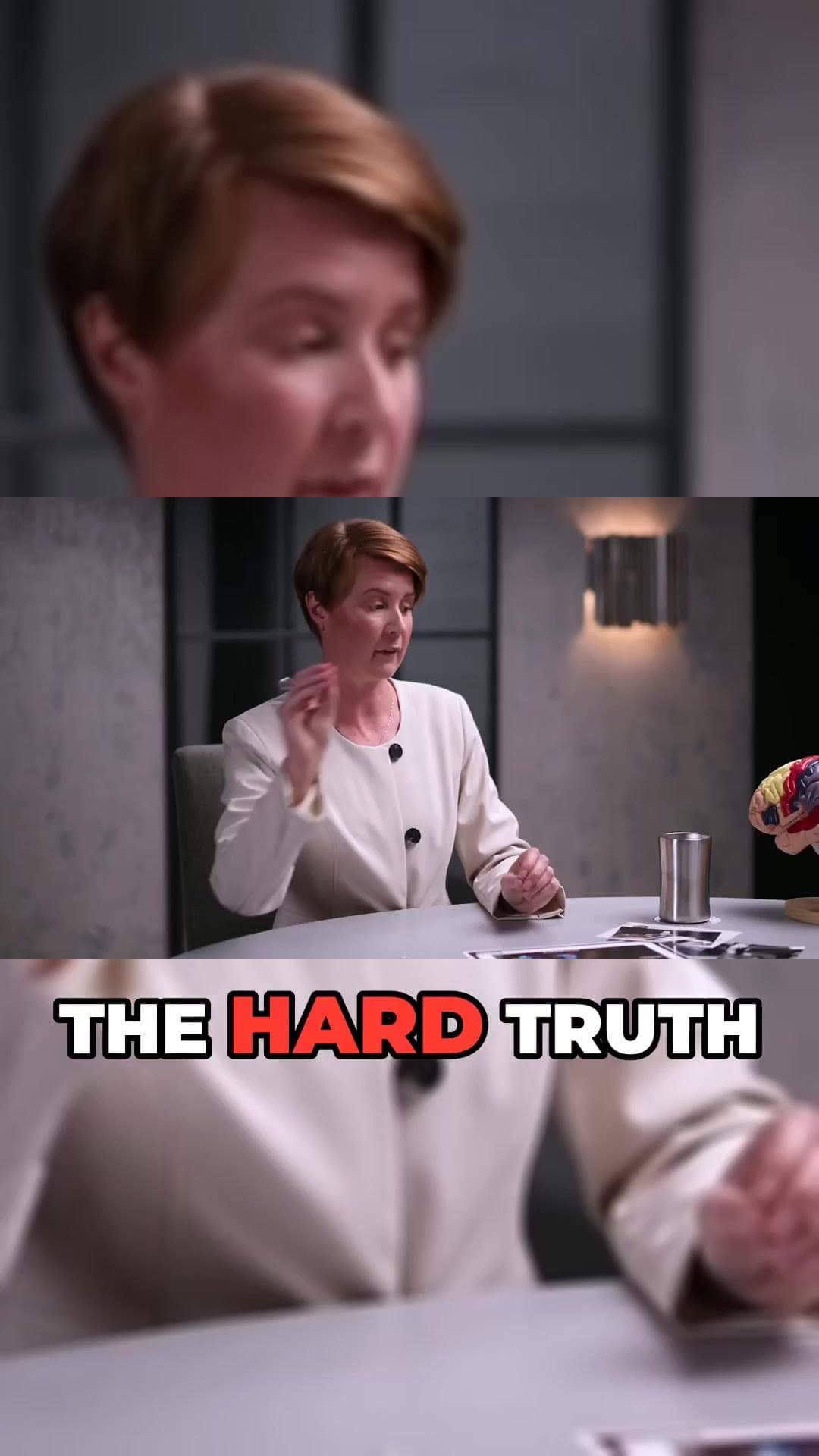
A hook is the first thing a viewer hears or sees in a Short, and it has one job: give a reason to watch the next few seconds. In a feed where the next video is one swipe away, a clip with a weak first line loses most of its audience before the good part arrives.
The useful news for anyone clipping long videos is that you rarely need to write a hook. The speaker already said it somewhere in the recording. The work is finding that sentence and starting the clip on it.
No card to sign upLook around the studioRuns in the browser
How it works
01
Find the payoff first
Decide what the clip delivers: the answer, the punchline, the result. A hook only works if the clip keeps the promise it makes.
02
Start on the sentence that sets it up
Scan backwards from the payoff to the line that raises the question. Cut everything before it, including greetings and 'so, basically'.
03
Test the first three seconds alone
Play only the opening. If a stranger would not know why to keep watching, move the start point or choose a different moment.
Seven hook types with examples
Hook type
Example opening line
Works best for
Direct question
Why do most channels stall at a thousand subscribers?
Advice and education
Bold claim
Posting every day is the worst advice I ever followed.
Opinion and commentary
Specific number
This one change cut our editing time from six hours to forty minutes.
Tutorials and business
Mistake
You are probably holding your camera wrong.
How-to and skills
Story in motion
So I am standing at the gate and my passport is gone.
Podcasts and vlogs
Result first
This is the finished table. Here is how it started.
Builds, cooking, fitness
Disagreement
No, I think that is exactly backwards.
Interviews and debates
What you get
Opens on the strong line
ClipAtelier ranks the transcript for hook sentences and starts each clip there instead of on the windup.
Most Replayed peaks
For YouTube links with a heatmap, cuts start where viewers already rewound.
Captions from the first word
The hook is readable with the sound off because captions are burned in word by word.
Title options per clip
AI titles give you a second hook in text, which you can edit.
Review before posting
Preview every opening and discard clips that start slowly.
No watermark
The first frame is your content, not a logo.
Why the first seconds decide a Short
Shorts are served to people who did not search for them. Each viewer makes a quick stay-or-swipe decision, and YouTube Studio reports the result for every Short as the share who viewed versus swiped away. A clip that holds people past the opening gets shown to more of them. A clip that loses them there stops being shown, however good its ending is.
That is why hooks matter more on Shorts than on long videos. A long video is chosen by its title and thumbnail before it starts. A Short has to make that case inside the video itself.
Finding the hook inside a long video
In recorded conversation, hooks tend to sit in predictable places. Right after a question from the host, because the answer often opens with its strongest claim. At the start of a story, where the speaker sets the scene. And just before a disagreement, where someone says 'no' or 'actually'. Search the transcript for question marks and for words like 'never', 'always', 'biggest' and 'mistake' and you will find most of them.
On YouTube, the Most Replayed graph is a second signal. A peak marks a passage people watched again, and the sentence that begins that passage is frequently a natural hook. ClipAtelier uses both signals, then you check the opening of each clip in the preview.
Hook mistakes that make viewers swipe
The most common mistake is starting too early. Greetings, channel intros and 'in this video' cost you the seconds that decide everything. The second is a promise the clip does not keep: a hook that asks a question the clip never answers gets a swipe and a 'not interested'. The third is a visual one, opening on a transition, a black frame or a wide shot where nobody is speaking.
A quieter mistake is the hook that needs context. 'And that is why he quit' means nothing to someone who does not know who he is. If the opening line contains a pronoun the viewer cannot resolve, start one sentence earlier or put the missing name in the title.
The title is your second hook
On the Shorts feed the title sits over the video, and in search results it is all people see. Use it to add what the spoken hook leaves out: who is speaking, or what the clip settles. Keep it short enough to read at a glance and avoid repeating the first spoken line word for word, since the viewer is about to hear it.
One sentence, said in the first two or three seconds. If it takes longer than that to explain why someone should keep watching, the clip is starting in the wrong place.
Do I need to add a text hook on screen?
Not if the spoken first line is strong and captioned. Burned-in captions already put the hook on screen. A separate text card helps mainly when the clip opens on action without speech.
Can ClipAtelier write hooks for me?
It finds them. The studio ranks what was actually said and opens each clip on the strongest setup line, and it writes title options for each clip. It does not add words the speaker never said.
Is a clickbait hook a good idea?
Only if the clip delivers. A hook that overpromises raises the swipe-away rate once viewers learn the pattern, and it costs trust in the channel.
Is it free?
You can create a free account with no card and look around the studio. Creating clips is on a paid plan, and you can try it for 3 days for $1. Exports have no watermark.
Your next Short is already inside your last video.
No card to look around. Clips start on a paid plan.