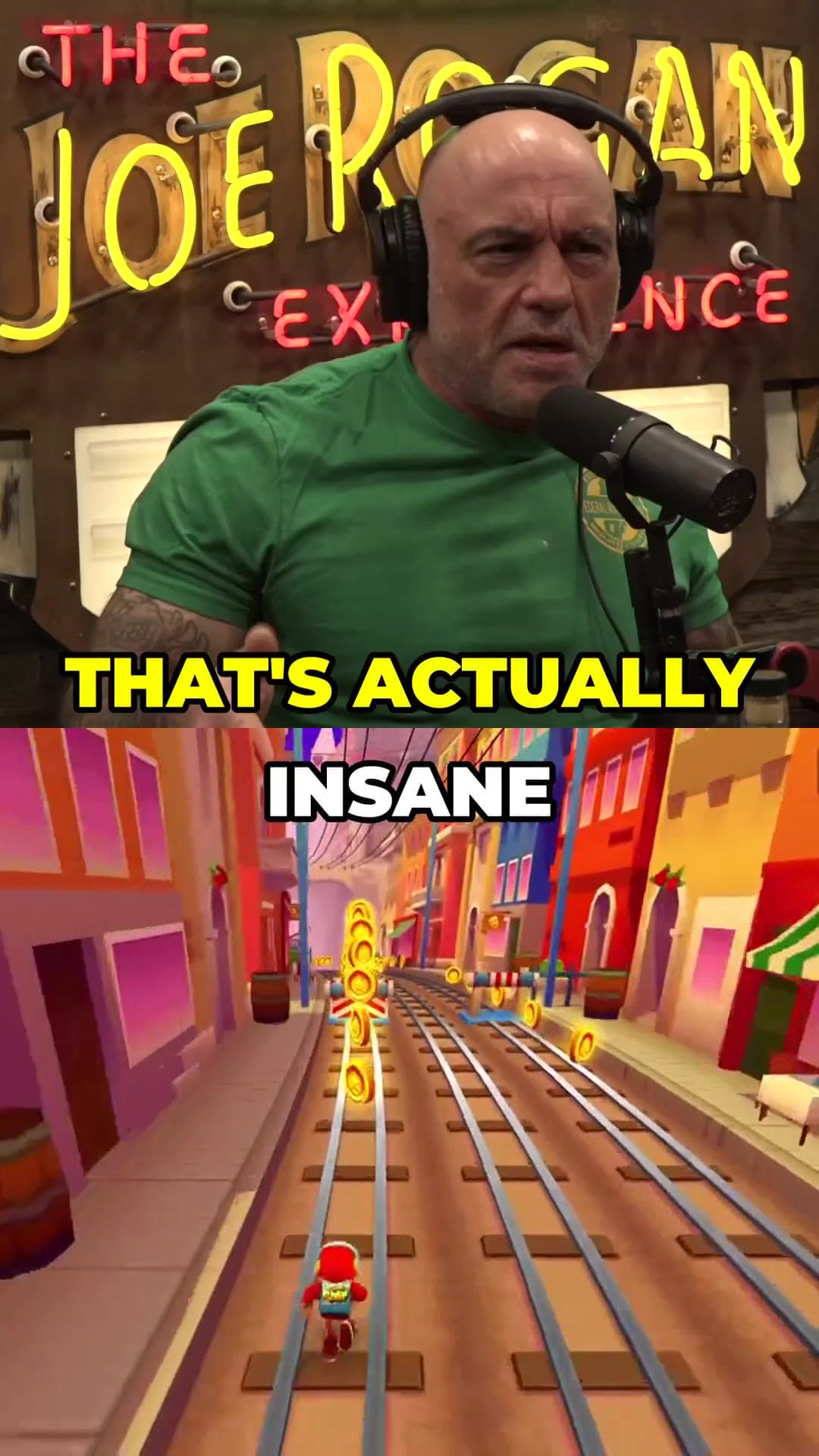
Translate video captions and post the same clip in another language
A clip that works in one language usually works in another, because the moment is the same. What stops it travelling is the text. ClipAtelier translates the captions on your clips into 19 languages and burns them into the video, so the speaker keeps their own voice and the viewer reads along in theirs.
Translation is part of the clipping studio, not a separate subtitle-file tool. When you create clips from a YouTube link or an uploaded file, you choose the caption language, and the finished vertical MP4 comes out with captions in that language.
No card to sign upLook around the studioRuns in the browser
How it works
01
Add the video
Paste a YouTube link to a video you own or may use, or upload an MP4, MOV or MKV file on a paid plan.
02
Choose the caption language
Before you start the job, keep captions in the spoken language or pick one of the 19 supported languages. The studio transcribes the speech, cuts the strongest moments and captions them in the language you picked, word by word.
03
Check and export
Read the translated captions in the preview, fix names or phrasing in the editor, then download the MP4 or publish it to YouTube Shorts and TikTok on Pro.
The 19 caption languages
Language
Written as
English
English
Arabic
العربية
Chinese
中文
Dutch
Nederlands
French
Français
German
Deutsch
Hindi
हिन्दी
Indonesian
Bahasa Indonesia
Italian
Italiano
Japanese
日本語
Korean
한국어
Polish
Polski
Portuguese
Português
Russian
Русский
Spanish
Español
Thai
ไทย
Turkish
Türkçe
Ukrainian
Українська
Vietnamese
Tiếng Việt
What you get
19 languages
From Spanish, Portuguese, German and French to Arabic, Hindi, Japanese, Korean and Chinese.
Original voice kept
Nothing is dubbed. The speaker sounds like themselves and the captions carry the meaning.
Word-timed in every language
Translated captions follow the speech and keep the highlight style, not a static block of text.
Burned into the MP4
The captions are part of the video, so they show on Shorts, TikTok and Reels with the sound off.
Editable before export
Fix a name, a number or a phrase that reads stiffly in the clip editor.
Included on paid plans
Translation is part of Starter and Pro. There is no separate per-language fee.
Translated captions or dubbing?
Dubbing replaces the voice, and viewers notice when the voice does not match the face. Translated captions leave the performance alone. For short clips, where most viewing happens with the sound off anyway, captions do nearly all of the work a dub would do, and they are ready in the time it takes to render the clip.
Captions also keep you honest about the source. The viewer hears the original and can tell what was really said, which matters for interviews, commentary and anything a guest might later be quoted on.
What to check in a translated caption
Machine translation is strong on plain statements and weaker on three things: idioms, jokes and names. Read each translated clip once in the preview. If a punchline depends on wordplay, rewrite that line by hand or choose a different clip for that market. Check that names of people, products and places were left as names and not translated.
Length changes too. German and Russian lines tend to run longer than English, and Chinese or Japanese lines shorter, so glance at whether the text still sits comfortably in the frame. Clips made of short, complete sentences translate best. Fast crosstalk translates worst.
Where translated clips are worth posting
Start with the languages your analytics already show. If YouTube Studio lists Brazil, Mexico or Germany among your top countries, those viewers are already watching in their second language, and a captioned version in their first one is the cheapest test you can run.
Post translated clips where that audience will find them: a second channel or account per language keeps each feed consistent, and titles and descriptions should be in the caption language too. One long video cut into five clips and run in three caption languages gives fifteen posts from a single recording.
No. The original voice stays exactly as recorded. Only the burned-in captions are translated.
Can I get the same clip in several languages?
Yes. The caption language is chosen when you create the clips, so run the video once for each language you want. Each run is a normal job that uses tokens, and each clip is its own MP4 with the captions burned in.
Can I upload a subtitle file and translate just that?
No. ClipAtelier is a clipping studio, so translation applies to the captions of clips you create in it. It does not translate standalone SRT or VTT files.
Which plans include caption translation?
Starter and Pro. The free account lets you look around the studio, and creating clips with translated captions is part of the paid plans.
Can I clip any YouTube video?
No. Only clip videos you own or have permission to use — for example your own uploads, creators who allow clipping (clipping programs), or licensed content. You confirm this when you create an account, and you are responsible for the clips you post.
Is it free?
You can create a free account with no card and look around the studio. Creating clips is on a paid plan, and you can try it for 3 days for $1. Exports have no watermark.
Your next Short is already inside your last video.
No card to look around. Clips start on a paid plan.